Top Stories
Mining
MWEITI traces mineral sector corruption in latest report
July 21, 2026 / Tawonga Nyirenda Mayuni
The 9th Malawi Extractive Industries Transparency Initiative (MWEITI) report has followed a series of corruption cases and governance challenges that have plagued the country’s mineral sector.
The report, covering the financial years 2023/2024 and 2024/2025, highlights ongoing investigations, legal disputes, and allegations of illicit dealings involving government officials and mining companies.
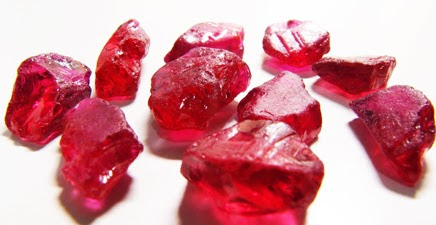
It traces a high-profile case involving Nyala Mines, the previous operator of Chimwadzulu Corundum Mine, which is under investigation for unpaid taxes and royalties amounting to billions of kwacha. A legal claim filed in the US District Court in Washington seeks to recover approximately MWK 309.6 billion in unpaid dues from Colombia Gem House, the previous operator of Nyala Mines.
Despite the revival of the case in 2026, the report observes that progress remains slow, with courts yet to set a definitive hearing date.
The Ministry responsible for Mining refused to renew the mining licence for Nyala Mines and later granted the rights to a local company, Mwalawanga Mining, which is currently running the Chimwadzulu Mine in Ntcheu, globally recognized for producing quality ruby and sapphire.
Another significant concern raised in the report pertains to Chinese Company Mawei Mining, which operates the Makanjira Heavy Mineral Sands Project in Mangochi, which is suspected of transferring ownership using dubious channels. The company’s parent entity, Xinjin International, reportedly transferred majority control to Chinese state-linked firms, Shandong Zhaojin Ruining Mining Industries and Hainan International Resources. MWEITI says in the report that the Malawi government has launched an official investigation into these ownership changes, but clarity remains elusive as the Anti-Corruption Bureau (ACB) has yet to access relevant investigation data.
The report also underscores the slow pace of investigations into allegations of bribery involving senior officials at the Ministry responsible for Mining pertaining to the renewal of the mining license for Ilomba Granite Mine in Chitipa. It reads that despite previous disclosures of suspected corruption, the Anti-Corruption Bureau (ACB) reports that legal processes are still at an advanced stage but have experienced delays in court proceedings.
The report’s findings point to gaps in regulatory enforcement and the prevalence of illegal mining activities, factors that continue to undermine governance and fuel corruption. It stresses the urgent need for strengthened legal frameworks.
MWEITI says ongoing reforms, including the development of a Beneficial Ownership Disclosure (BOD) system and the revision of mining legislation, are critical steps toward curbing corruption and ensuring accountability.
In addition, the report calls for increased stakeholder engagement, stricter oversight, and public disclosure of all mining and licensing agreements.
As Malawi prepares for its upcoming independent EITI validation in 2026, experts warn that addressing these systemic issues is essential for attracting investment and safeguarding national resource wealth.
Malawi’s mineral sector remains a key driver of the country’s economic growth ambitions under Malawi Vision 2063. However, systemic governance flaws threaten to undermine progress. The report reveals a significant surge in sector revenues, which increased from MWK 56.64 billion in 2023/2024 to MWK 103.78 billion in 2024/2025. The mining sector remains the primary driver, accounting for 71.1% of total extractive revenues in 2023/2024 and rising to 84.8% in 2024/2025.
Key contributors include cement, uranium, and coal mining, with companies such as Shayona Cement, Cement Products Ltd, Portland Cement, Lotus Africa Ltd, and Kaziwiziwi Coal Mine leading the industry.
The report also highlights a surge in gold purchases by the Export Development Fund (EDF). Gold production increased from 89,053 grams in 2023/2024 to 163,680 grams in 2024/2025, driven largely by rising gold prices, which resulted in increased purchases.
Share this:
Leave a Comment
Comments
Mining & Trade Review News

Agribusiness News
Subscribe to Newsletter
Rehabilitation:
The establishment of a stable and self-sustaining ecosystem, but not necessarily the one that existed before mining began. In many cases, complete restoration may be impossible, but successful remediation, reclamation, and rehabilitation can result in the timely establishment of a functional ecosystem.
Archives
Remediation:
The cleanup of the contaminated area to safe levels by removing or isolating contaminants. At mine sites, remediation often consists of isolating contaminated material in pre-existing tailings storage facilities, capping tailings and waste rock stockpiles with clean topsoil, and collecting and treating any contaminated mine water if necessary.
Stakeholders Logos